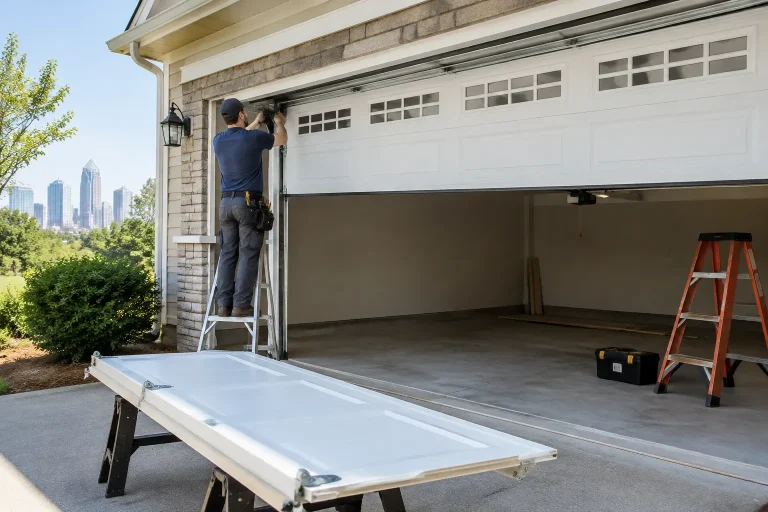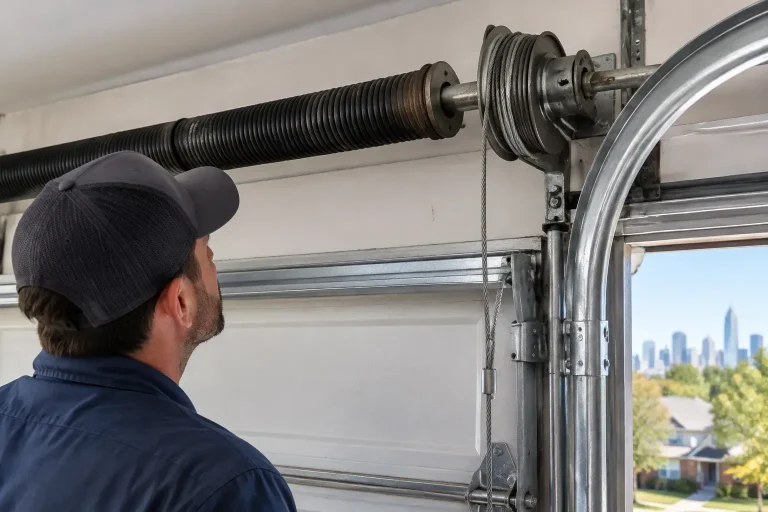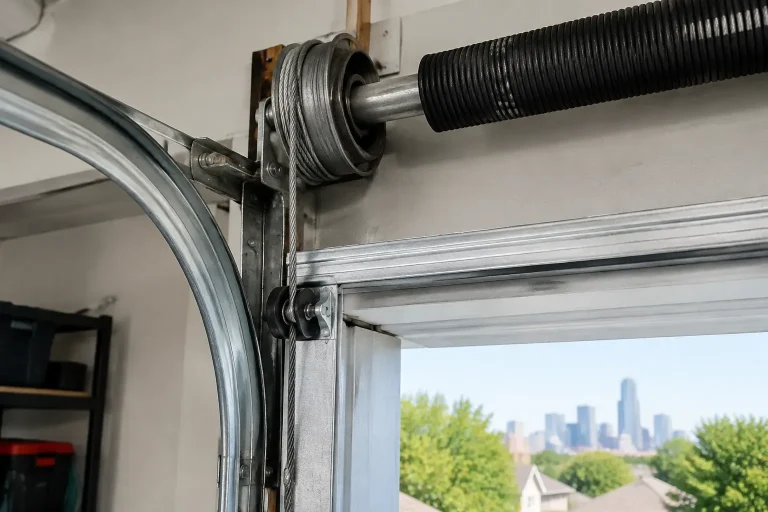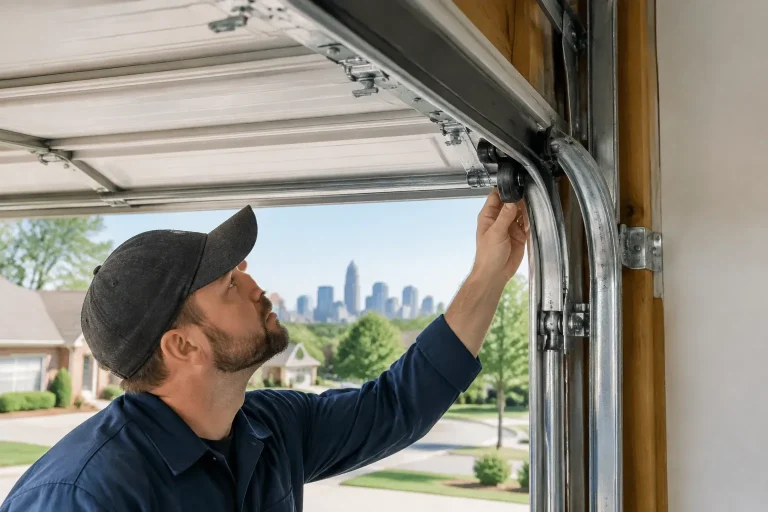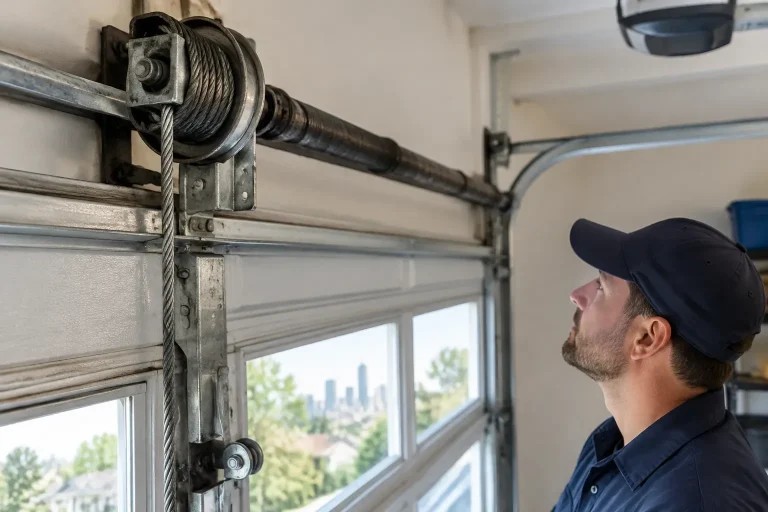

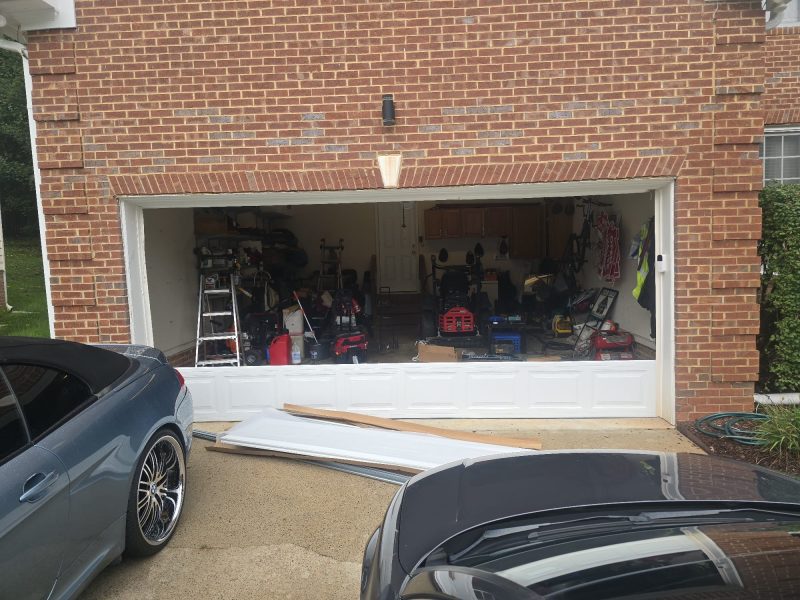
A garage door that works perfectly one day but fails the next can be difficult to diagnose. Intermittent problems may involve inconsistent remote signals, electrical connections, worn opener components, sensors, or mechanical resistance that develops during certain operating conditions. Unlike a complete failure, these issues can temporarily disappear, making it harder to identify the underlying cause.
Imagine a Charlotte homeowner pressing the garage door remote in the morning and watching the door open normally. Later that evening, the same remote produces no response, but the wall-mounted control still operates the door. The initial suspicion might be a failing opener motor, although the actual issue could involve the remote battery, signal interference, or the opener’s receiver. Understanding which controls work and when the problem occurs can help narrow the diagnosis.
Not every intermittent garage door problem requires major repairs. Some involve simple control-related issues, while others indicate developing electrical or mechanical faults. Homeowners can begin by observing when the problem occurs, which controls respond, and whether the door’s movement changes between operating cycles.
If inconsistent operation continues, explore professional garage door repair services in Charlotte to identify the cause before replacing components unnecessarily.
Why Does a Garage Door Work Sometimes but Fail at Other Times?
Intermittent garage door problems occur when a component or operating condition affects the system inconsistently. Unlike a completely broken garage door, the system may function normally during several cycles before suddenly refusing to open, close, or respond to its controls.
Possible causes include weak remote batteries, electrical connection problems, inconsistent sensor signals, worn opener components, or mechanical resistance. The timing and circumstances of the failure often provide more useful information than the failure itself.
For example, a garage door may operate normally from the wall-mounted control but occasionally ignore the handheld remote. This pattern suggests that the remote, its signal, or the opener’s receiving system should be examined before assuming the motor has failed.
When inconsistent operation becomes frequent, explore professional garage door repair services in Charlotte to identify the source of the problem without replacing unnecessary components.
Can Weak Remote Batteries Cause Intermittent Garage Door Operation?
Yes. A weakening remote battery can cause inconsistent communication between the transmitter and garage door opener. The remote may work from a short distance but fail from farther away, or it may require several button presses before the opener responds.
However, battery condition is not the only factor that affects remote performance. Signal interference, damaged remote contacts, antenna positioning, and receiver problems can produce similar symptoms.
A useful first step is to replace the remote battery according to the manufacturer’s instructions and compare its performance with another programmed remote or the wall-mounted control, if available. If the wall control consistently works while the remote does not, that distinction can help narrow the problem.
If replacing the battery does not restore dependable operation, review professional garage door opener repair and diagnostic services to determine whether the transmitter or receiving system needs attention.
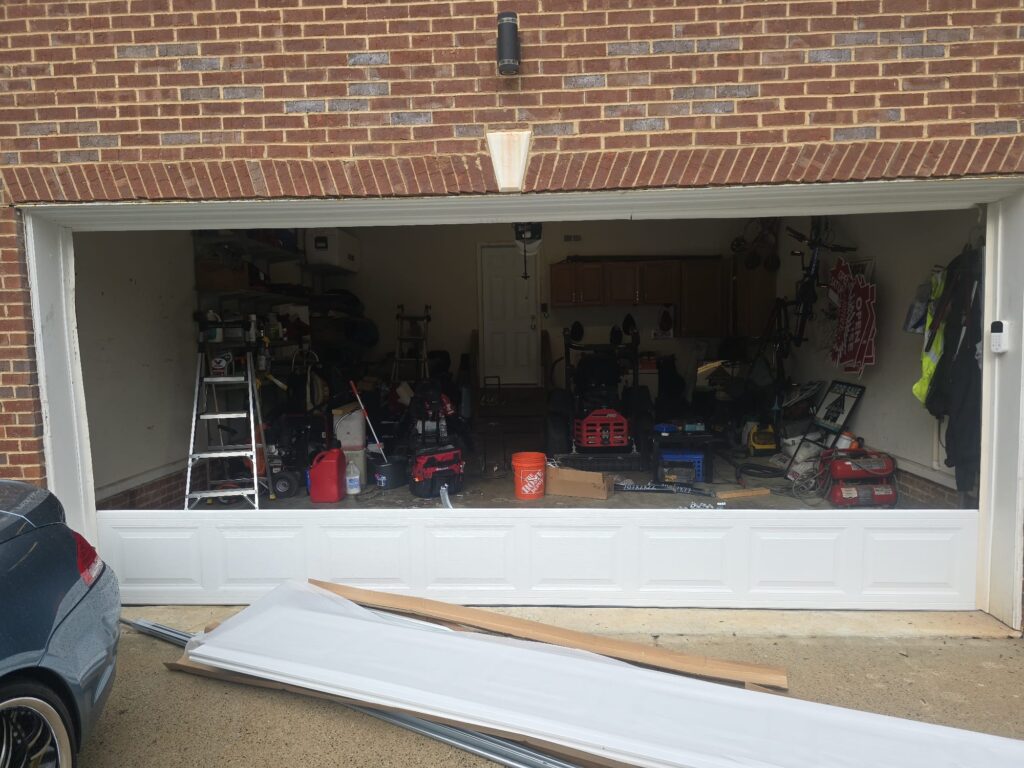
Why Does My Garage Door Remote Work Only From Certain Locations?
A garage door remote that operates reliably from one location but fails from another may be experiencing a signal-related problem. Radio-frequency interference, physical obstructions, antenna issues, or reduced transmitter strength can affect communication with the opener.
Consider a homeowner whose remote works near the garage but occasionally fails from the driveway. The initial assumption might be that the opener motor is becoming unreliable. However, the motor may be functioning normally while the remote signal is not reaching the receiver consistently.
Nearby electronic devices, including certain LED lighting equipment, can sometimes interfere with garage door remote signals. This does not mean every nearby device is responsible, and identifying interference requires careful comparison of operating conditions.
If remote performance remains inconsistent after basic battery checks, explore professional garage door repair and opener troubleshooting options to determine whether the issue involves signal reception or another component.
Can Garage Door Safety Sensors Cause Problems That Come and Go?
Yes. Photo-eye safety sensors can cause intermittent closing problems when their alignment, wiring, or signal is disrupted. These sensors are designed to help prevent the door from closing on an obstruction, so a problem with their operation may cause the opener to stop or reverse during closing.
A sensor bracket that shifts slightly, dirt covering a lens, or an intermittent wiring connection may contribute to inconsistent behavior. In some installations, direct sunlight reaching a sensor can also interfere with reliable detection.
For example, a garage door might close normally in the evening but occasionally refuse to close during bright afternoon conditions. A technician may investigate sensor alignment, sunlight exposure, wiring, and opener behavior rather than assuming that the entire opener needs replacement.
Homeowners can safely remove visible obstructions and gently clean accessible sensor lenses. Never bypass the safety sensors or alter their wiring to force the door closed.
If inconsistent closing continues, request professional garage door opener and safety-system inspection to identify the underlying cause.
Can Worn Garage Door Rollers Create Intermittent Movement Problems?
Worn or damaged rollers can contribute to inconsistent garage door movement, particularly when they occasionally bind or create resistance while traveling through the tracks. The door may move smoothly during one cycle but hesitate, jerk, or stop during another.
Roller-related symptoms may include scraping noises, uneven movement, vibration, or resistance near a particular section of the track. However, similar symptoms can result from track damage, hinge problems, or other mechanical conditions.
A technician should inspect the rollers and their surrounding hardware together. Replacing a roller without checking track alignment or damaged mounting components may leave the underlying issue unresolved.
If the door occasionally struggles, makes unfamiliar noises, or moves unevenly, explore professional garage door repair services for mechanical operating problems to determine which components require attention.
Can Electrical Connection Problems Cause Intermittent Garage Door Failures?
Yes. Electrical connection problems can cause a garage door opener to respond inconsistently, even when the mechanical components appear to be functioning normally. Loose connections, damaged wiring, faulty controls, or interruptions in the opener’s power supply may prevent reliable operation.
For example, a homeowner may notice that the garage door occasionally ignores both the remote and wall-mounted control. After several minutes, the opener begins working again without any obvious changes. This pattern could indicate a power-related issue, an internal opener fault, or another electrical problem rather than a defective remote alone.
Homeowners can safely check whether the opener is plugged into its outlet and whether other devices have power. However, inspecting internal wiring, electrical connections, or opener circuit boards should be left to qualified professionals.
If the opener occasionally loses power or becomes completely unresponsive, explore professional garage door opener repair and diagnostic services to determine whether an electrical component requires attention.
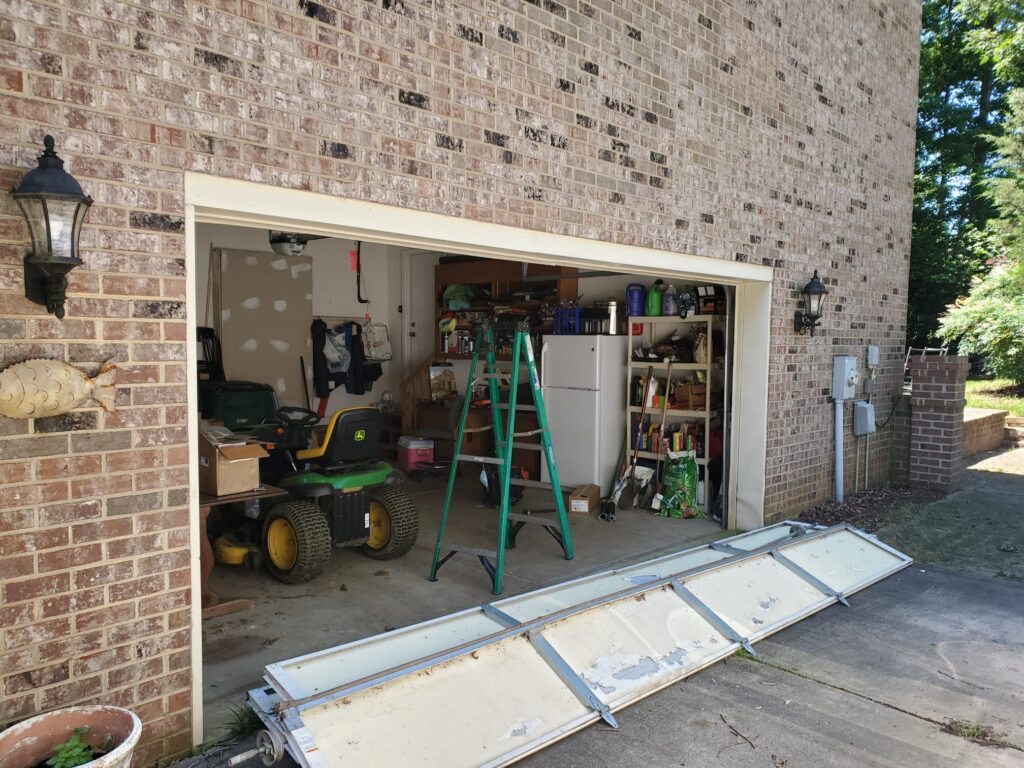
Why Does My Garage Door Work in the Morning but Fail Later?
A garage door that operates normally at one time of day but becomes unreliable later may be affected by changing operating conditions. Temperature, sunlight exposure, electronic interference, and component wear can sometimes influence how consistently a garage door system performs.
For example, a Charlotte homeowner might notice that the garage door closes normally during the morning but occasionally reverses in the afternoon. The first assumption may be that the opener motor is overheating. However, sunlight affecting a photo-eye sensor, mechanical resistance, or another operating condition could also explain the behavior.
The timing of the problem is useful information, but it should not be treated as proof of a particular failure. A technician may compare sensor behavior, opener responses, and mechanical movement under different conditions.
If the problem follows a noticeable daily pattern, schedule a professional garage door inspection in Charlotte to investigate the circumstances affecting operation.
Can Garage Door Opener Motors Develop Intermittent Problems?
Yes. Garage door opener motors and their connected drive components can develop faults that affect operation inconsistently. Depending on the opener design, problems involving thermal protection, internal electrical components, or mechanical wear may cause the system to stop responding temporarily.
A homeowner might press the wall control and hear a humming sound without seeing the door move. Later, the opener may operate normally. Although this behavior could suggest a motor-related problem, it may also involve a worn drive mechanism or excessive resistance from the garage door itself.
Replacing the motor without evaluating the door and opener together may not resolve the underlying issue. A technician should determine whether the opener is failing internally or reacting to a mechanical condition.
If your opener occasionally hums, stalls, or stops responding, review professional garage door opener repair solutions before deciding whether repair or replacement is necessary.
How Can Homeowners Identify Patterns in Intermittent Garage Door Problems?
Because intermittent problems may disappear before a technician arrives, recording the circumstances surrounding each failure can make troubleshooting more effective. The goal is to identify consistent patterns without repeatedly operating a malfunctioning door.
Useful details include:
- Time of day: Does the problem occur primarily in the morning, afternoon, or evening?
- Operating direction: Does the door fail while opening, closing, or both?
- Control response: Does the wall-mounted control work when the remote fails?
- Door movement: Does the door hesitate, reverse, stop, or remain completely stationary?
- Unusual sounds: Are clicking, grinding, humming, or scraping noises present?
- Environmental conditions: Does the problem appear during bright sunlight, temperature changes, or after nearby electrical equipment is activated?
Consider a garage door that occasionally refuses to close. Instead of testing it repeatedly, the homeowner records that the problem occurs during sunny afternoons and that the opener’s sensor indicator behaves differently. This information may help a technician investigate sensor-related conditions more efficiently.
If inconsistent behavior continues, request a professional evaluation of recurring garage door problems and share the observations collected.
When Should Intermittent Garage Door Problems Be Professionally Inspected?
Professional inspection is recommended when intermittent failures become more frequent, affect both the remote and wall controls, interrupt normal door movement, or involve unusual mechanical noises. A problem that temporarily disappears is not necessarily resolved.
Certain symptoms require particular caution. If the garage door becomes crooked, a roller leaves its track, a lifting cable appears loose, or a spring may be damaged, stop operating the system. These conditions can involve heavy components and hardware under substantial tension.
A technician should evaluate the opener, controls, sensors, rollers, tracks, and lifting system as appropriate to the reported symptoms. This approach helps distinguish electrical or signal-related faults from mechanical problems that occur only under certain conditions.
If your garage door continues operating unpredictably, explore professional garage door repair services in Charlotte to identify the underlying issue before it causes a complete interruption.
How Can You Prevent Intermittent Garage Door Problems From Returning?
Preventing recurring garage door problems starts with identifying the underlying cause rather than treating each temporary failure as an isolated event. A garage door may operate normally between malfunctions while worn components, inconsistent electrical connections, or developing mechanical resistance continue affecting its performance.
Homeowners can reduce avoidable problems by keeping accessible sensor lenses clean, replacing weak remote batteries, observing unusual operating sounds, and checking for visible obstructions. Regular maintenance can also help identify roller wear, track concerns, loose hardware, and other developing conditions before they interrupt normal operation.
Pay attention to whether a problem returns under similar circumstances. If the remote only fails from certain locations, the issue may involve signal communication. If the door occasionally reverses during closing, the sensors or mechanical resistance may need attention. Repeatedly changing opener settings without identifying the cause is not an appropriate long-term solution.
For ongoing system care, explore professional garage door maintenance services in Charlotte. If unpredictable operation continues, review complete garage door repair solutions or schedule a professional inspection of recurring garage door problems.
The most useful approach is to document when the malfunction occurs, avoid unnecessary testing, and address the component responsible for the inconsistent behavior.
Frequently Asked Questions
Why does my garage door work sometimes but not others?
A garage door that works inconsistently may have weak remote batteries, signal interference, electrical connection problems, sensor issues, or mechanical resistance. The cause often depends on whether the opener responds to the controls and whether the door begins moving before the failure occurs. Comparing the remote and wall-mounted control can help narrow the possibilities. If the problem continues despite basic checks, explore professional garage door repair services in Charlotte to identify the underlying issue rather than replacing components unnecessarily.
Can a garage door opener fail intermittently before completely stopping?
Yes. Some opener problems develop gradually, causing occasional failures before more consistent operating difficulties appear. Worn drive components, electrical faults, motor-related problems, or thermal protection may contribute to intermittent operation. However, a malfunctioning opener is not always responsible. Mechanical resistance from the door itself can produce similar symptoms. A technician should inspect both systems before recommending repairs. If the opener occasionally stops responding or struggles during operation, review professional garage door opener repair options to determine the appropriate solution.
Why does my garage door remote only work sometimes?
Intermittent remote operation can result from a weak battery, damaged transmitter contacts, signal interference, or a problem with the opener’s receiving system. First, replace the remote battery according to the manufacturer’s instructions. If another programmed remote works consistently, comparing their behavior may help identify a transmitter-related problem. Also observe whether the wall-mounted control operates normally when the remote fails. If the problem continues, schedule a professional garage door opener evaluation to investigate the communication issue.
Can sunlight cause intermittent garage door sensor problems?
Yes. In some installations, direct sunlight reaching a photo-eye sensor can interfere with reliable detection. This may cause the garage door to refuse to close or reverse during certain times of day. However, sunlight is not the only possible explanation. Dirty lenses, loose brackets, damaged wiring, and alignment problems can produce similar symptoms. Homeowners can safely remove visible obstructions and gently clean accessible sensor lenses. Never bypass the safety sensors. If the issue continues, explore professional garage door repair solutions to have the sensor system evaluated.
Why does my garage door work from the wall button but not the remote?
When the wall-mounted control operates the door consistently but the remote does not, the problem may involve the remote battery, transmitter, radio signal, receiver, or a remote-control lock feature supported by some opener models. This difference suggests that the opener can operate under at least some conditions, but it does not establish a complete diagnosis. Check the remote battery and the manufacturer’s control settings before assuming a motor failure. If remote operation remains unreliable, request professional garage door opener troubleshooting.
Can worn garage door rollers cause occasional opening problems?
Yes. Worn or damaged rollers may occasionally bind or create resistance while moving through the tracks. The door might operate smoothly during one cycle but hesitate, jerk, or stop during another. Similar symptoms can also result from damaged hinges, track alignment problems, or other mechanical conditions. If scraping sounds or uneven movement accompany the problem, avoid repeatedly operating the door. Explore professional garage door repair services in Charlotte to determine whether rollers or connected hardware require attention.
Why does my garage door sometimes reverse before reaching the floor?
Occasional reversal during closing may involve sensor interference, an obstruction, mechanical resistance, or opener-related settings. Observe whether the reversal occurs at a consistent position and whether the photo-eye indicators behave differently during the problem. Homeowners can safely clear visible obstructions and clean accessible sensor lenses, but should not bypass safety features or increase opener force settings to overcome resistance. If the problem continues, explore professional garage door opener and repair services to identify what is interrupting the closing cycle.
Can temperature changes affect garage door operation?
Temperature changes can influence some garage door components and operating conditions. Materials may expand or contract slightly, lubricants can behave differently, and existing mechanical problems may become more noticeable under certain conditions. However, temperature alone should not be assumed to explain intermittent failures. If the door works normally during one part of the day but struggles during another, record the timing, operating direction, and unusual symptoms. Schedule a professional garage door inspection in Charlotte if the pattern continues.
Should I replace my garage door opener if it only fails occasionally?
Not necessarily. Intermittent opener problems do not automatically require replacement. The issue may involve a remote battery, sensor alignment, electrical connection, worn drive component, or mechanical resistance from the garage door. A professional evaluation should establish whether the opener itself is defective and whether repair is practical. Replacing the entire unit without diagnosing the problem could leave an underlying mechanical condition unresolved. Explore garage door repair and opener service options before making a replacement decision.
When should intermittent garage door problems be professionally inspected?
Professional inspection is recommended when failures become more frequent, affect multiple controls, interrupt normal movement, or involve grinding sounds, uneven travel, or visible hardware damage. If the door becomes crooked, a roller leaves its track, or a spring or cable problem is suspected, stop operating the system. Intermittent operation does not necessarily mean the issue is harmless. A technician can evaluate the controls, opener, sensors, and mechanical components to identify the cause. Schedule a professional garage door inspection when basic safe checks do not resolve the problem.
For help diagnosing recurring garage door malfunctions, contact Quick Fix Garage Door Service to schedule a professional inspection in Charlotte.