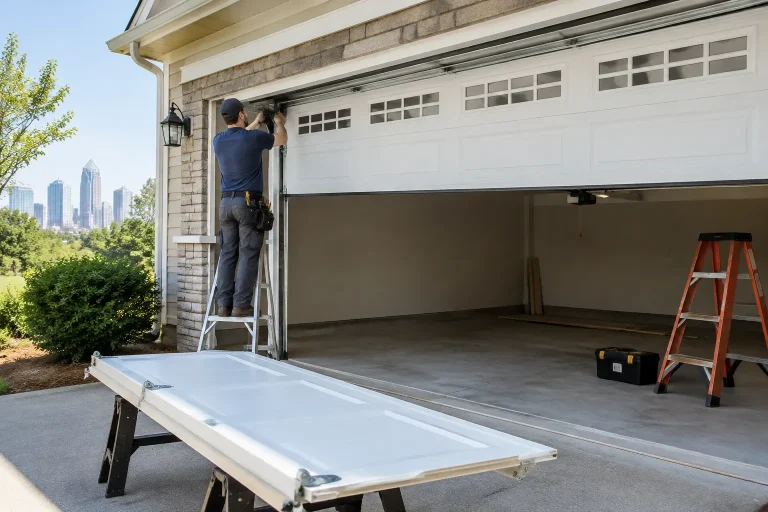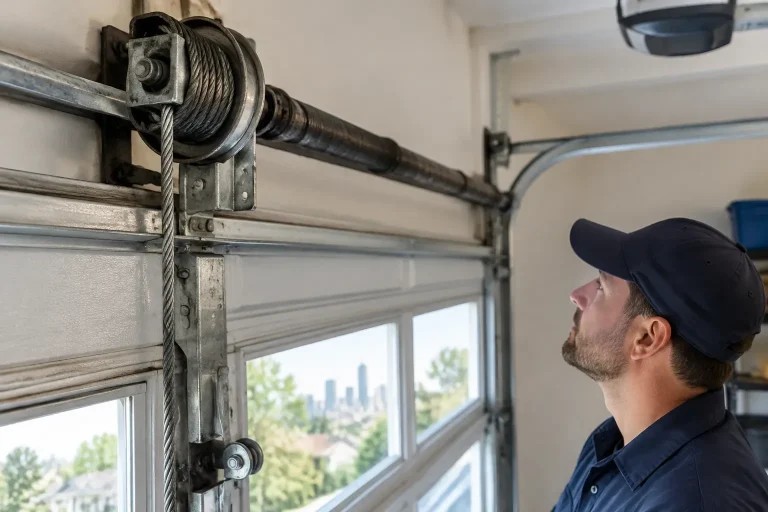


Older garage door systems can develop problems that affect everyday operation, safety, and reliability. Worn rollers, aging springs, deteriorating cables, loose hinges, damaged tracks, and outdated opener components are among the issues that may become more noticeable over time. However, the age of a garage door does not automatically mean it needs replacement. Many problems can be addressed through targeted repairs when the remaining components are in suitable condition.
Consider a Charlotte homeowner whose garage door has operated for nearly two decades. Recently, the door has started making scraping noises, moving unevenly, and occasionally struggling to close. The homeowner may assume the entire system is worn out, but a professional inspection could reveal that deteriorated rollers and loose hardware are contributing to the problem. In another situation, similar symptoms could indicate more extensive damage involving the lifting system or door structure.
Understanding the difference between normal component wear and significant mechanical deterioration helps homeowners make better repair decisions. An inspection should consider the condition of individual parts, their compatibility with the existing system, and whether repairs can restore dependable operation.
If your aging garage door has become noisy, difficult to operate, or unreliable, explore professional garage door repair services in Charlotte to determine which components need attention before considering a complete replacement.
What Are the Most Common Problems With Older Garage Door Systems?
As garage doors age, repeated movement, exposure to changing weather conditions, and everyday use can gradually affect their mechanical components. Some parts may develop noticeable wear while others continue functioning properly for years. The important factor is the actual condition of the system rather than its age alone.
Common concerns include deteriorating rollers, worn hinges, weakened springs, aging cables, track damage, and opener components that no longer operate consistently. These problems may appear individually or develop together, making it important to evaluate how the components interact.
For example, an older garage door may produce grinding noises because several rollers have deteriorated. However, similar sounds can also result from damaged hinges or track misalignment. Replacing components without identifying the source may not resolve the problem.
Homeowners experiencing these symptoms can explore professional garage door repair services in Charlotte to determine which aging components require attention.
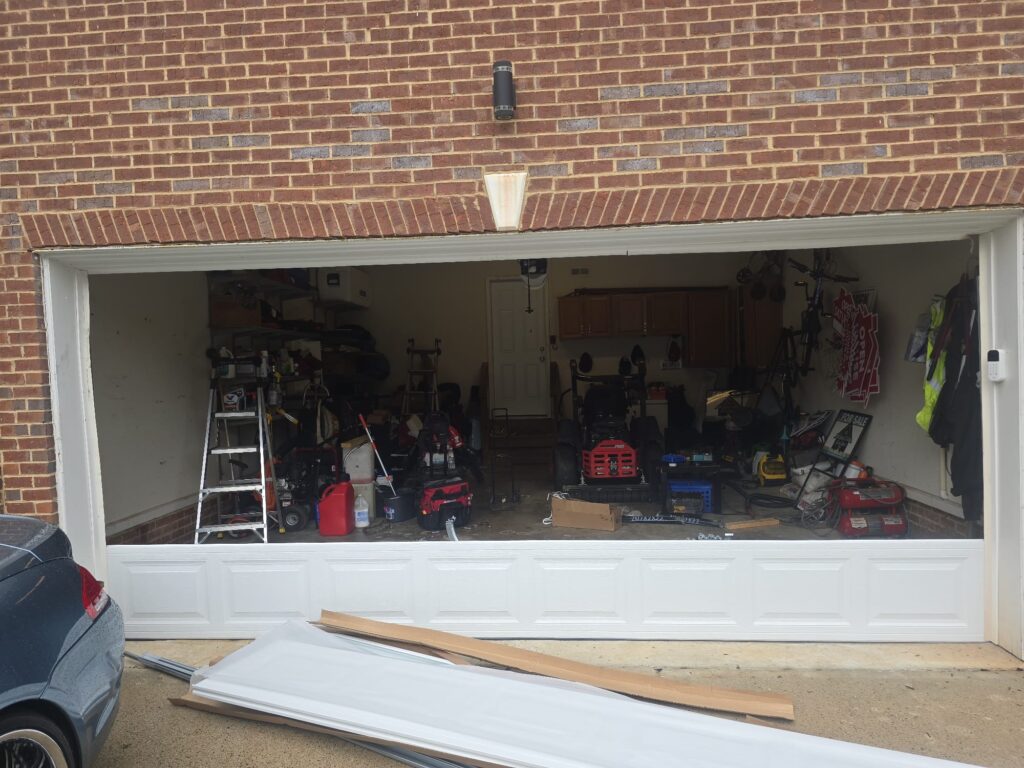
How Do Worn Garage Door Rollers Affect Older Systems?
Garage door rollers guide the door through its tracks during opening and closing. Over years of operation, rollers can develop worn bearings, damaged surfaces, reduced rotation, or excessive movement within their mounting points.
When rollers deteriorate, homeowners may notice increased vibration, scraping sounds, jerky movement, or hesitation as the door travels. Older rollers may also contribute to additional stress on hinges and connected hardware when they no longer move smoothly.
Consider a garage door that has become noticeably louder over several months. The homeowner might assume the opener motor is wearing out, but an inspection could reveal that multiple rollers are no longer rotating properly. Addressing the worn components may improve movement without requiring an entirely new garage door.
However, rollers should not be evaluated separately from the tracks and hinges. If the surrounding hardware is damaged, replacing rollers alone may not restore normal operation.
If roller deterioration is suspected, review professional garage door repair options for worn mechanical components before the problem affects other parts of the system.
Can Aging Garage Door Springs Cause Operating Problems?
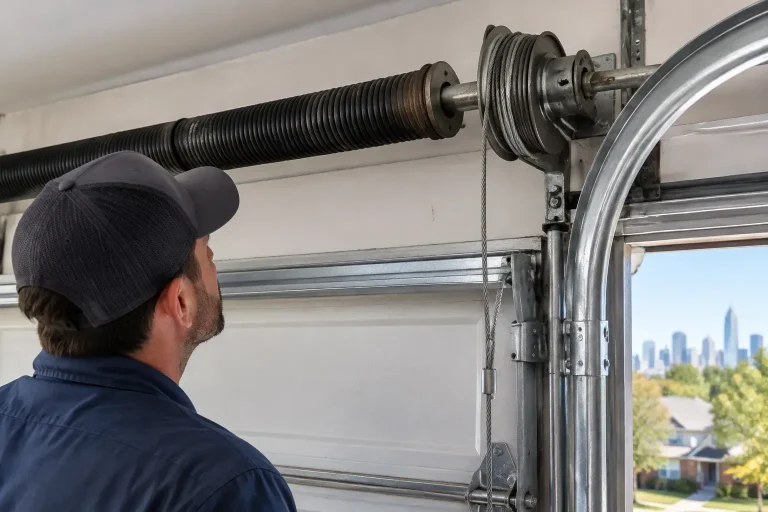
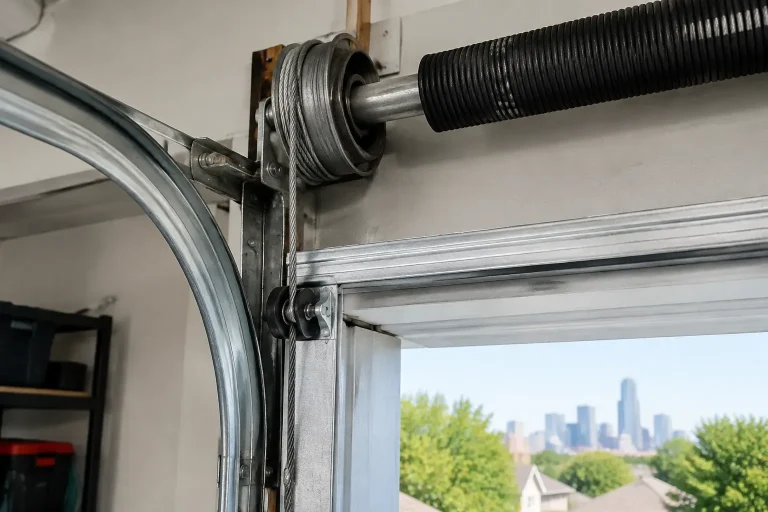
Yes. Garage door springs are designed to counterbalance much of the door’s weight, allowing the opener to move the door with less effort. Over time, repeated opening and closing cycles can contribute to spring fatigue and eventual failure.
An older garage door may begin moving unevenly, become difficult to lift, or stop operating when a spring breaks. In some situations, homeowners hear a sudden loud snapping sound before discovering that the door will no longer open normally.
These symptoms do not automatically confirm spring failure. Problems involving lifting cables, door alignment, or opener components can create similar behavior, so professional inspection is necessary.
Garage door springs store substantial mechanical energy. Homeowners should never attempt to wind, unwind, remove, or adjust them. If a spring appears damaged, avoid operating the door until the lifting system has been evaluated.
For suspected spring-related problems, request a professional garage door repair inspection in Charlotte to determine whether repair or replacement of the affected components is necessary.
Why Do Older Garage Door Cables Become Worn or Damaged?
Garage door lifting cables work with the spring system to help raise and lower the door. Over time, cables may experience wear, corrosion, fraying, or damage related to improper movement and mechanical stress.
Visible warning signs can include broken wire strands, unusual cable positioning, or a door that appears uneven while moving. However, these observations do not establish the exact cause. A cable may be affected by another component, such as a damaged drum, alignment problem, or counterbalance issue.
A homeowner may notice that one side of an older garage door sits lower than the other. Although a worn cable is one possibility, the problem could involve several parts of the lifting system. A complete inspection helps distinguish the actual cause before repairs begin.
Do not attempt to reconnect, tighten, or replace lifting cables yourself. These components interact with a heavy door and hardware under significant tension.
If cable deterioration is visible, arrange a professional evaluation of your garage door’s lifting system before operating the door again.
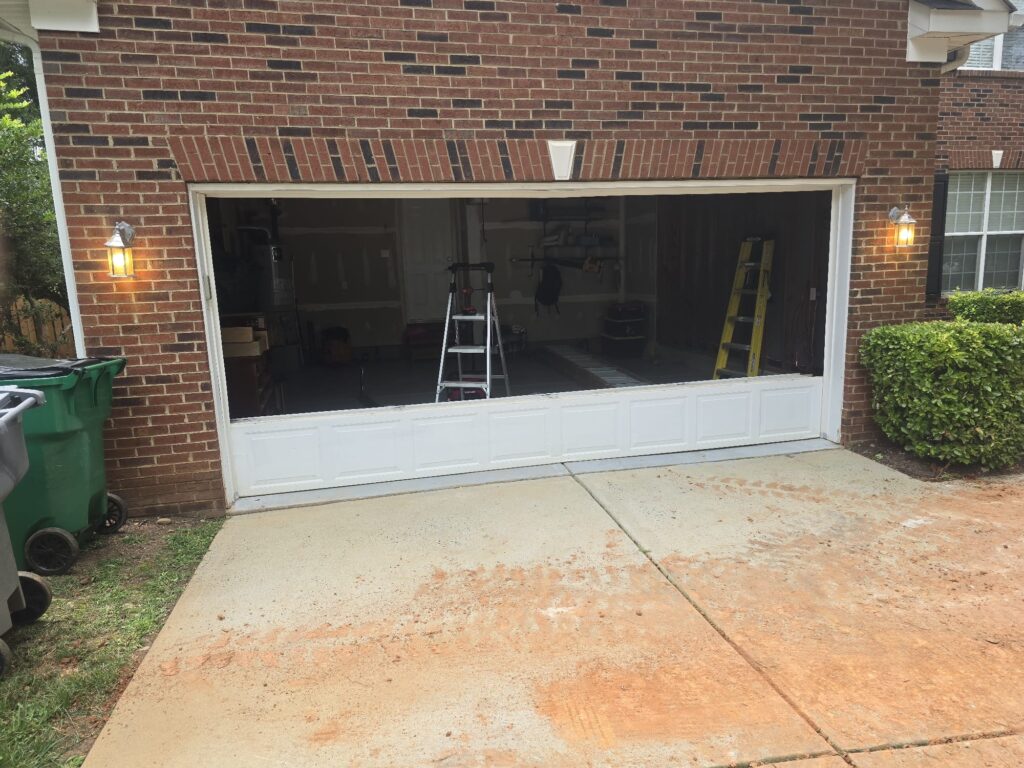
Can Loose Hinges and Aging Hardware Affect Garage Door Performance?
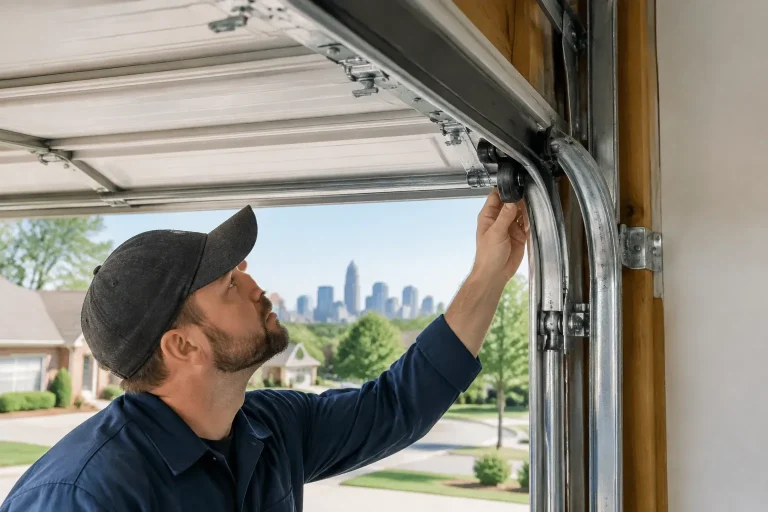
Hinges connect the individual sections of a sectional garage door and allow them to bend as the door moves through the curved tracks. Years of repeated movement can contribute to hinge wear, loose fasteners, damaged mounting points, and deterioration around panel connections.
When hinges become worn or damaged, the door may produce rattling, popping, or scraping sounds. Some sections may also move less smoothly as they transition between vertical and horizontal positions.
Loose hardware should not automatically be treated as a simple tightening job. The condition of the hinge, surrounding panel material, and mounting location should be checked first. Fasteners attached to damaged or weakened material may require more than adjustment.
For older doors with recurring noise or visible hinge deterioration, explore professional garage door maintenance services in Charlotte to identify worn hardware and determine whether individual components need replacement.
How Do Aging Garage Door Tracks Affect Door Movement?
Garage door tracks guide the rollers as the door moves between open and closed positions. Over time, tracks may develop corrosion, loose mounting hardware, dents, or alignment problems that interfere with smooth operation. These conditions can become more noticeable in older systems that have experienced years of regular use.
A damaged track may cause scraping noises, uneven movement, or resistance at a particular point during operation. However, similar symptoms can result from worn rollers, damaged hinges, or distorted door panels. The entire guiding system should be inspected before determining which component requires repair.
For example, an older garage door may begin making a grinding sound whenever it reaches the curved portion of its tracks. The homeowner might suspect the opener motor, but an inspection could reveal that a worn roller is binding against a damaged section of track. Repairing only one component may not resolve the problem if both have deteriorated.
If your garage door moves unevenly or produces scraping sounds, explore professional garage door repair services in Charlotte to determine whether the tracks or connected hardware need attention.
Can Older Garage Door Openers Become Less Reliable?
Yes. Garage door openers contain mechanical and electrical components that can deteriorate with age and repeated operation. Worn gears, drive components, electrical connections, and internal controls may contribute to inconsistent performance.
An older opener might respond slowly, produce unfamiliar noises, stop unexpectedly, or fail to operate despite receiving a command. These symptoms do not automatically mean the motor has failed. Problems with the door’s counterbalance system, rollers, or tracks can create resistance that affects opener performance.
Some older openers may also lack safety features found on modern residential systems. For example, automatic residential garage door openers manufactured for sale in the United States since 1993 have been subject to federal entrapment-protection requirements. The U.S. Consumer Product Safety Commission’s garage door opener safety guidance explains the importance of these protections.
If an aging opener becomes unreliable, review professional garage door opener repair and replacement services to determine whether individual components can be repaired or a newer opener would be more appropriate.
How Can Rust and Corrosion Affect Older Garage Door Components?
Rust and corrosion can affect metal garage door components, including hinges, tracks, brackets, springs, and cables. Moisture exposure, condensation, damaged protective coatings, and long-term environmental conditions may contribute to deterioration.
Surface discoloration does not always indicate serious mechanical damage. However, significant corrosion can weaken metal components, interfere with moving parts, or make hardware more difficult to operate correctly.
For example, a homeowner may notice rust developing around the lower hinges of an older garage door. Although the affected area initially appears cosmetic, a professional inspection might reveal deteriorated mounting hardware or damage around the panel connection. These findings can influence whether the affected parts should be repaired or replaced.
Avoid applying lubricants or rust-removal products indiscriminately, particularly to lifting cables, spring assemblies, or components requiring manufacturer-specific maintenance.
If corrosion is becoming noticeable across several components, explore professional garage door maintenance services in Charlotte to identify which areas require attention.
When Should Older Garage Door Panels Be Repaired or Replaced?
Older garage door panels may develop dents, cracks, corrosion, separation, or deterioration around hinges and mounting points. The appropriate repair depends on the material, extent of damage, structural condition, and availability of compatible replacement sections.
A small cosmetic dent may not significantly affect operation, while a deeply creased panel can interfere with the movement of adjoining sections. Damage near hinges or roller brackets deserves particular attention because these areas connect the panels to moving hardware.
Consider an older sectional garage door with a visibly damaged lower panel. The homeowner may assume replacing that section will restore the door. However, an inspection could reveal deterioration in adjacent panels or mounting points, making an isolated repair less practical.
Replacement sections for older models may also be difficult to obtain or match. Even when a compatible section is available, its condition and suitability should be confirmed before installation.
If panel deterioration is affecting operation, request a professional evaluation of your older garage door to compare targeted repairs with broader replacement options.
Is It Better to Repair or Replace an Older Garage Door System?
An older garage door does not automatically need replacement. If the panels remain structurally sound and the main problems involve replaceable components, targeted repairs may restore dependable operation.
The decision becomes more complicated when several major components have deteriorated, replacement parts are unavailable, or the door structure is significantly damaged. Repeated repairs may also become less practical when new problems continue developing throughout the system.
Before making a decision, homeowners should consider the condition of the door panels, tracks, rollers, lifting system, opener, and safety features. The cost and availability of compatible parts should also be evaluated rather than relying on age alone.
For example, replacing worn rollers and hinges may be reasonable when the remaining door is in good condition. However, a system with extensive panel corrosion, damaged tracks, and an outdated opener may justify a more comprehensive replacement discussion.
Homeowners considering their options can explore professional garage door repair services in Charlotte to understand which repairs are practical before committing to a complete replacement.
How Can You Keep an Older Garage Door Operating Reliably?
Keeping an older garage door operating reliably requires attention to its current mechanical condition rather than simply following its age. Regular inspection can help identify worn rollers, deteriorating hinges, track concerns, loose hardware, and opener problems before they cause more significant operating difficulties.
Homeowners should pay attention to new grinding sounds, increased vibration, uneven movement, visible corrosion, and changes in how the door opens or closes. These symptoms can indicate developing wear, although they do not always mean that major repairs are necessary.
Basic homeowner maintenance may include keeping accessible track areas clear of debris, visually checking weather seals, and following the manufacturer’s instructions for appropriate lubrication. Springs, lifting cables, bottom brackets, and other high-tension components should never be adjusted as part of routine DIY maintenance.
For ongoing care, explore professional garage door maintenance services in Charlotte. If your older system has developed mechanical problems, review complete garage door repair solutions or schedule a professional inspection of your aging garage door.
The most practical approach is to address worn components when appropriate, evaluate the availability of compatible replacement parts, and consider full replacement only when the door’s condition makes continued repairs less practical.
Frequently Asked Questions
What are the most common problems with older garage doors?
Older garage doors commonly develop worn rollers, deteriorating hinges, aging springs, damaged cables, loose hardware, track problems, and opener-related faults. Repeated use can gradually affect these components, although their actual condition depends on maintenance, operating frequency, and environmental exposure. Symptoms may include unusual noises, uneven movement, difficulty opening, or inconsistent operation. A professional inspection can determine which parts need attention. Explore garage door repair services in Charlotte to identify appropriate repairs for an aging system.
Is a 20-year-old garage door worth repairing?
A 20-year-old garage door may still be worth repairing if its panels remain structurally sound and the main problems involve replaceable components. Age alone does not determine whether replacement is necessary. The decision should consider the condition of the lifting system, tracks, hinges, rollers, opener, and available replacement parts. If several major components have deteriorated or the door structure is compromised, replacement may become more practical. Request a professional evaluation of your older garage door before deciding.
Why is my older garage door becoming louder?
Increased noise can result from worn rollers, loose hinges, deteriorating bearings, track problems, or aging opener components. Scraping, rattling, grinding, and popping sounds may indicate different mechanical conditions, but sound alone cannot identify a specific failure. A technician should inspect the door’s moving parts and supporting hardware to determine the source. If your older garage door has become noticeably louder, explore professional garage door maintenance services in Charlotte to identify components that may require attention.
Can old garage door springs be repaired, or must they be replaced?
When a garage door spring breaks or becomes mechanically unsuitable for continued use, replacement is generally the appropriate solution rather than attempting to restore the damaged spring. However, not every lifting problem means the spring has failed. Cables, drums, opener components, and other hardware can produce similar symptoms. Garage door springs store substantial mechanical energy and should never be adjusted or replaced by homeowners without appropriate training and equipment. Schedule a professional inspection of your garage door’s lifting system to determine the necessary repair.
Why does my older garage door move unevenly?
Uneven movement may involve worn rollers, damaged tracks, cable problems, deteriorating hinges, or an issue with the counterbalance system. One side may appear higher than the other, or the door may hesitate as it moves through the tracks. These symptoms require careful evaluation because several components can contribute to the same behavior. Avoid forcing the door or adjusting springs and cables yourself. Explore professional garage door repair options in Charlotte to identify the cause of uneven movement.
Can an older garage door opener be repaired?
Yes. Some older garage door openers can be repaired when compatible replacement components remain available and the equipment is otherwise in suitable condition. Problems involving gears, drive mechanisms, controls, or certain electrical components may be repairable. However, replacement may be more appropriate when parts are unavailable, major components have failed, or the opener lacks essential modern safety protections. A technician should evaluate the opener and the door together. Explore professional garage door opener services before choosing between repair and replacement.
Are older garage doors less safe than newer models?
Not necessarily, but older systems may have worn mechanical components or lack safety features found on newer equipment. The condition of springs, cables, tracks, hinges, and opener safety devices is more important than age alone. Some older automatic openers may not have the entrapment-protection features required on modern residential units. The U.S. Consumer Product Safety Commission provides information about federal garage door opener safety requirements. Professional inspection can help identify safety concerns and determine whether repairs or equipment upgrades are appropriate.
Can rust damage an older garage door system?
Yes. Rust and corrosion can affect metal tracks, hinges, brackets, cables, springs, and other hardware. Minor surface discoloration may be primarily cosmetic, but extensive corrosion can weaken components or interfere with movement. The severity depends on the affected part and how deeply the deterioration has developed. Homeowners should avoid attempting to repair heavily corroded lifting components themselves. If corrosion is spreading or affecting operation, review professional garage door maintenance services in Charlotte to determine which components require attention.
How often should an older garage door be professionally inspected?
Inspection frequency depends on the door’s condition, usage, manufacturer recommendations, and any existing operating concerns. An annual professional inspection is a reasonable maintenance approach for many residential garage doors, while heavily used or visibly deteriorating systems may require more frequent attention. New noises, uneven movement, damaged cables, or suspected spring problems should be evaluated promptly rather than waiting for a scheduled maintenance visit. Explore professional garage door maintenance in Charlotte to support dependable operation.
When should I replace my older garage door instead of repairing it?
Replacement may be worth considering when several major components have deteriorated, the panels are structurally damaged, compatible replacement parts are unavailable, or repeated repairs are no longer practical. A door with sound panels and isolated mechanical wear may still be a good candidate for targeted repairs. The decision should consider safety, reliability, component availability, and the overall condition of the system. Request a professional garage door evaluation in Charlotte to compare the available options.
For help evaluating an aging garage door and identifying practical repair options, contact Quick Fix Garage Door Service to schedule a professional inspection in Charlotte.
Sources: U.S. Consumer Product Safety Commission: Automatic Garage Door Opener Safety Requirements