
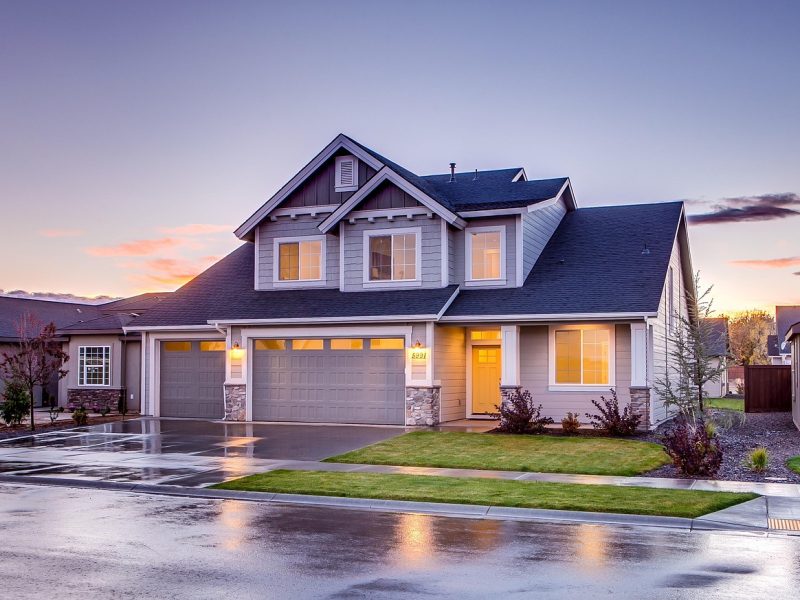
Garage doors have become one of the most important systems in modern homes. In many households, the garage door is used more frequently than the front entrance because it provides direct access to vehicles, storage areas, and living spaces. Despite this heavy daily use, garage door maintenance is often ignored until a major problem suddenly appears.
Modern garage doors are more advanced than older systems and include springs, rollers, tracks, sensors, openers, and electronic safety features that all work together under constant pressure. Over time, even high-quality garage door systems begin experiencing wear from daily operation, weather exposure, and mechanical strain.
Regular garage door service helps homeowners identify small issues before they become expensive repairs or dangerous safety concerns. Preventative maintenance also improves long-term reliability, reduces unexpected breakdowns, and helps maintain smoother operation throughout the year.
Many homeowners researching long-term garage care and preventative maintenance solutions often explore professional residential garage repair and inspection support to better understand how regular servicing protects modern garage systems from premature failure. Understanding why regular garage door service matters can help homeowners improve convenience, safety, and long-term home performance.
Daily Garage Door Usage Creates Constant Mechanical Stress
Garage doors experience repeated movement every single day. Families leaving for work, school activities, deliveries, errands, and daily commuting all place continuous strain on garage door systems throughout the year.
Every opening and closing cycle places pressure on springs, rollers, hinges, tracks, and opener systems. Over time, these moving components gradually wear down, especially when maintenance is neglected.
Common components affected by daily use include:
- Torsion springs
- Garage door rollers
- Lifting cables
- Hinges and brackets
- Garage door tracks
- Automatic opener motors
- Safety sensors
Without regular servicing, small problems such as loose hardware or poor lubrication may continue worsening unnoticed. Eventually, these issues may place extra stress on surrounding components and increase the risk of major mechanical failure.
Modern homes often depend heavily on garage access because attached garages are used as primary entry points rather than simple storage areas. This increased daily reliance makes routine maintenance even more important for homeowners.
Many homeowners researching preventative maintenance schedules and long-term garage system care frequently review trusted residential garage maintenance and repair resources to better understand how regular servicing reduces long-term mechanical wear. Routine garage door service helps systems operate more smoothly while reducing unnecessary strain on important moving parts.
Preventive Service Helps Reduce Expensive Repairs
One of the biggest benefits of regular garage door service is preventing costly repair problems before they become severe. Many garage door failures begin as small mechanical issues that gradually worsen over time.
Minor problems such as worn rollers, weak springs, or track misalignment may initially seem harmless. However, continued operation under stress often causes additional components to wear down much faster.
Routine service appointments help technicians inspect the system carefully and identify developing issues before major breakdowns occur.
Garage door problems commonly discovered during preventative inspections include:
- Weak spring tension
- Frayed lifting cables
- Bent tracks
- Loose mounting hardware
- Sensor alignment problems
- Worn rollers
- Lubrication failure
Emergency repairs are often more expensive because damaged systems may affect multiple components simultaneously. A broken spring, for example, can place sudden strain on the opener motor, cables, and tracks during failure. Preventative maintenance allows homeowners to address small concerns early, while repairs remain simpler and more affordable.
Homeowners looking for maintenance planning guidance and garage repair education often explore helpful homeowner garage care articles and repair insights to better understand how routine servicing helps avoid major repair expenses. Regular inspections reduce the likelihood of sudden failures while helping homeowners avoid unnecessary long-term costs.
Modern Garage Doors Require Proper Safety Inspections
Garage doors are extremely heavy systems operating under high tension every day. Without proper maintenance, damaged components can eventually create serious safety hazards for homeowners and families.
Modern garage doors include safety features designed to prevent accidents, but these systems must be inspected regularly to ensure they continue functioning properly.
Garage door safety systems commonly inspected during routine service include opener sensors, balance adjustments, cable condition, and emergency release mechanisms.
Important safety areas include:
- Sensor alignment
- Spring balance
- Cable condition
- Roller stability
- Auto reverse systems
- Track alignment
- Emergency release operation
Safety sensors help prevent garage doors from closing when objects or people are underneath the system. If sensors become dirty, damaged, or misaligned, the garage door may not respond correctly during operation.
Garage doors with poor balance may also place excessive pressure on opener systems, increasing the risk of sudden failure or unsafe movement. Families with children or pets benefit especially from routine garage inspections because properly functioning systems reduce the likelihood of preventable accidents.
Many homeowners seeking guidance about garage safety and preventative maintenance often review professional residential garage inspection and repair support while evaluating long-term maintenance needs. Routine safety inspections help homeowners maintain safer garage door operation throughout the year.
Weather Exposure Gradually Damages Garage Door Components
Garage doors are constantly exposed to outdoor weather conditions, making environmental wear one of the biggest causes of long-term system deterioration. Heat, humidity, storms, rain, and seasonal temperature changes can all affect garage door performance over time. Moisture exposure may accelerate rust formation, while changing temperatures can affect lubrication performance and material expansion. Older garage systems are especially vulnerable because years of weather exposure gradually weaken important structural and mechanical components.
Common weather-related garage door problems include:
- Rusted springs and hinges
- Cracked weather stripping
- Warped door panels
- Water intrusion
- Corroded hardware
- Poor insulation performance
- Track expansion issues
Routine garage door service helps homeowners identify weather-related wear early before it causes more serious structural or mechanical problems. Professional inspections also help ensure garage doors remain properly sealed and insulated throughout changing seasonal conditions. This becomes especially important for attached garages that influence indoor temperature control.
Many homeowners researching climate-related garage maintenance and preventative repair strategies often explore experienced local garage maintenance specialists and homeowner resources to better understand how environmental conditions affect garage system durability. Regular servicing helps protect garage doors from accelerated deterioration caused by weather exposure.
Routine Maintenance Improves Garage Door Lifespan
Garage doors represent a major investment for homeowners, which is why extending system lifespan is one of the biggest advantages of regular maintenance. Without routine servicing, friction and mechanical strain gradually increase throughout the garage system. Worn components force surrounding parts to work harder, creating additional stress during daily operation. Routine maintenance helps reduce unnecessary wear by ensuring moving components remain properly lubricated, balanced, and aligned.
Benefits of regular garage maintenance include:
- Reduced mechanical friction
- Improved opener efficiency
- Better spring performance
- Smoother movement
- Lower vibration levels
- Reduced strain on hardware
- Longer component lifespan
Modern garage doors often include more advanced technology and heavier insulated materials than older systems, making proper maintenance even more important for preserving performance. Homeowners who schedule regular inspections frequently experience fewer unexpected breakdowns and longer-lasting garage systems overall.
People researching preventative maintenance schedules and long-term garage system protection often review complete residential garage care and maintenance solutions when planning ongoing service needs. Routine maintenance helps garage doors remain dependable while reducing avoidable long-term deterioration.

Reliable Garage Access Is Essential for Modern Homes
Modern homes rely heavily on garage access for daily convenience, transportation, and security. In many households, the garage functions as the primary entrance used multiple times every day.
When garage doors stop working unexpectedly, homeowners may face immediate disruptions affecting work schedules, school transportation, and household organization. Reliable garage access is especially important for homes with multiple vehicles, attached garages, and busy daily routines.
Problems caused by unreliable garage doors may include:
- Delayed departures
- Vehicles trapped inside garages
- Security concerns
- Emergency repair situations
- Limited access to stored belongings
- Increased stress during bad weather
- Unexpected repair expenses
Routine garage door service helps reduce these disruptions by maintaining smoother and more dependable operation throughout the year. Modern homeowners expect convenience and reliability from household systems, and garage doors play a much larger role in daily life than many people realize.
Many homeowners comparing long-term garage maintenance plans and preventative service options often explore trusted homeowner garage maintenance and support resources to better understand how regular service improves reliability. Consistent maintenance helps homeowners avoid inconvenient breakdowns while improving overall system performance.
Smart Garage Technology Still Requires Maintenance
Modern garage doors often include advanced technology such as smartphone connectivity, automatic openers, wireless monitoring, and safety sensors. While these features improve convenience, they still require routine inspections and maintenance to function properly.
Electronic systems may gradually develop issues related to dust buildup, loose wiring, calibration problems, or sensor alignment if servicing is ignored. Routine garage door service helps ensure both mechanical and electronic components continue operating correctly under daily use conditions.
Modern garage systems may include features such as:
- Smartphone controls
- Remote access monitoring
- Motion detection systems
- Battery backup systems
- Automatic locking features
- Wireless connectivity
- Smart safety sensors
Many homeowners mistakenly assume newer garage systems require little maintenance because technology has improved. In reality, preventative inspections remain important for preserving long-term reliability and safety. Routine maintenance also helps technicians identify electronic issues early before they affect overall garage door performance.
Homeowners interested in learning more about smart garage systems and preventative service planning often review professional residential garage technology and maintenance solutions while evaluating ongoing maintenance options. Regular servicing helps modern garage systems remain efficient, dependable, and safe over time.
Conclusion
Regular garage door service is essential for modern homes because garage systems now play a major role in daily convenience, home security, safety, and long-term property performance. Frequent daily use, changing weather conditions, and continuous mechanical stress all contribute to gradual wear that can eventually lead to expensive breakdowns if maintenance is neglected.
Preventative service helps homeowners identify small issues early while improving safety, extending garage door lifespan, reducing emergency repairs, and maintaining reliable operation year-round. Modern garage systems may include advanced technology and heavier components that require ongoing inspections to ensure smooth long-term performance.
Homeowners interested in protecting their garage systems can explore professional garage repair and inspection support for residential homes, review complete residential garage maintenance and service options, browse helpful garage care articles and homeowner maintenance insights, learn more about experienced local garage professionals serving homeowners, or connect with a garage specialist for additional maintenance guidance when planning future garage door service.
FAQ
Why is regular garage door service important?
Regular garage door service helps prevent breakdowns, improve safety, and extend system lifespan.
How often should garage doors be serviced?
Most garage doors should receive professional maintenance at least once per year.
Can routine maintenance prevent garage door failure?
Yes. Preventive service helps identify worn components before major failures occur.
What parts of a garage door need regular inspection?
Springs, rollers, cables, tracks, sensors, and opener systems should all be inspected regularly.
Does the weather affect garage door systems?
Heat, humidity, rain, and temperature changes can all increase wear on garage door components.
Are garage doors dangerous without maintenance?
Neglected garage doors may develop safety risks due to worn springs, damaged cables, or faulty sensors.
Can regular service improve garage door lifespan?
Yes. Maintenance reduces strain and mechanical wear throughout the system.
Do modern garage doors still require maintenance?
Yes. Smart garage systems and automatic openers still require inspections and servicing.
What are the signs that a garage door needs service?
Slow movement, unusual noises, vibrations, and uneven operation are common warning signs.
Why are emergency garage repairs expensive?
Emergency repairs often involve severe damage and multiple failing components at once.