Garage doors are one of the most frequently used mechanical systems in a home, yet they rarely receive attention until something stops working. In many Charlotte neighborhoods, such as Plaza Midwood (28205), homeowners rely on their garage doors several times each day for convenience, safety, and protection from the elements. When a garage door begins malfunctioning, it can quickly disrupt daily routines and create potential safety risks. Strange noises, uneven movement, or a door that refuses to open or close properly are often early signs that something inside the system requires repair.
A modern garage door system includes multiple interconnected components, including springs, tracks, cables, rollers, sensors, and openers. When one part fails, it can affect the entire system. Because some of these parts operate under significant tension, attempting repairs without the right experience can be dangerous. Understanding the most common garage door problems allows homeowners to recognize warning signs early and seek professional help before a small issue becomes a major repair. This guide explains the typical garage door repair challenges homeowners experience in Charlotte and how experienced technicians identify and fix these issues efficiently.
Broken Garage Door Springs and Why They Fail
Garage door springs play a critical role in lifting and lowering the door smoothly. These springs are designed to counterbalance the heavy weight of the door so the opener and rollers can operate efficiently. Over time, however, springs weaken due to repeated use and metal fatigue. When a spring breaks, the door may suddenly become extremely heavy or refuse to open entirely.
In active residential areas like Plaza Midwood, garage doors often cycle many times each day, which accelerates spring wear. Environmental factors such as humidity and rust can also weaken the metal coils. Once the spring loses tension or snaps completely, the entire system becomes unbalanced.
Common reasons garage door springs fail include:
- Normal wear after thousands of opening and closing cycles
- Rust buildup that weakens the coil structure
- Lack of lubrication and preventive maintenance
- Sudden temperature changes that stress metal components
Because these springs store significant tension, replacement requires specialized tools and training. When homeowners notice a loud bang or the door suddenly stops moving, it may be time to seek professional garage door repair in Charlotte from experienced technicians who can safely restore balance to the system.
Garage Door Opener Problems and Electrical Issues
Garage door openers rely on motors, sensors, and electronic controls to automate the door’s movement. When the opener begins malfunctioning, homeowners may experience inconsistent operation, delayed responses, or doors that refuse to open or close completely.
Several issues can cause opener problems, including worn internal gears, wiring faults, or misaligned safety sensors. In many cases, the problem may start small but gradually worsen as mechanical strain increases.
Typical opener issues include:
- Remote controls that stop responding
- Safety sensors are becoming misaligned or blocked
- Motor gears are wearing down after years of use
- Electrical wiring problems within the opener unit
- Programming issues with remotes or keypads
Garage door openers include safety features designed to prevent accidents. If these sensors or mechanisms are not properly calibrated, the system may stop working to avoid potential hazards. Homeowners experiencing these issues often benefit from exploring the full range of garage door solutions available throughout Charlotte, where trained technicians can diagnose electrical and mechanical issues quickly.
Misaligned Tracks That Prevent Smooth Operation
Garage door tracks guide the door as it moves vertically and horizontally during operation. If the tracks become bent, loose, or misaligned, the door may struggle to move properly. In some cases, the door can even become stuck halfway.
Track misalignment often occurs due to accidental impacts, loose mounting hardware, or gradual shifting in older structures. Homes in established areas like Plaza Midwood may experience minor structural settling that affects track alignment over time.
Signs of track issues include:
- The door shaking or vibrating during operation
- Grinding or scraping noises while opening
- Visible gaps between rollers and track rails
- The door stops before fully opening or closing
When tracks become misaligned, the rollers cannot move smoothly along the rail system. Professional technicians carefully adjust and secure track brackets to restore proper alignment. Ignoring track problems can lead to additional damage to rollers, cables, and openers.
Worn Garage Door Cables and Lift System Issues
Garage door cables work alongside springs to lift and support the door. These cables wind and unwind each time the door moves, carrying significant tension during operation. Over time, constant friction and weight stress can cause cables to fray or weaken.
Cable damage often appears gradually, but once a cable snaps, the door can become unstable or uneven. In severe cases, one side of the door may drop suddenly.
Warning signs of cable problems include:
- Frayed or unraveling cable strands
- The door appears crooked when opening
- Sudden jerking movements during operation
- The door is closing faster than usual
Because cables are part of the high-tension lift system, replacing them safely requires proper tools and experience. Technicians inspect the entire lift mechanism, including drums, springs, and pulleys, to ensure all components are balanced correctly. Addressing cable wear early prevents more extensive repairs later.
Damaged Garage Door Panels and Structural Wear
Garage door panels can become damaged from accidental impacts, weather exposure, or general aging. While cosmetic damage may seem minor, it can affect the structural balance of the door and create stress on other components.
Dented panels may interfere with smooth movement along the tracks, while warped materials can affect alignment. In some cases, damaged panels reduce insulation efficiency and compromise home security.
Common causes of panel damage include:
- Vehicles accidentally bumping the door
- Severe weather conditions
- Long-term material fatigue
- Rust or moisture exposure
Repair options depend on the severity of the damage. Sometimes a single panel can be replaced without affecting the rest of the system. In other cases, technicians may recommend reinforcing hinges or adjusting hardware to maintain proper alignment.
Lack of Maintenance Leading to Frequent Repairs
Many garage door problems develop simply because the system has not received regular maintenance. Since garage doors include numerous moving parts, routine inspections and lubrication help prevent unexpected failures.
Preventive maintenance usually involves:
- Lubricating rollers, hinges, and springs
- Checking cable tension and wear
- Inspecting track alignment
- Testing safety sensors
- Adjusting opener force settings
Regular maintenance allows technicians to identify small issues before they escalate. Homeowners who stay informed about maintenance practices can reduce the likelihood of sudden breakdowns. Educational resources, such as garage door maintenance tips and repair insights for homeowners, help people understand how to keep their systems running smoothly year-round.
Conclusion
Garage doors are complex mechanical systems that play an essential role in everyday home convenience and security. When components such as springs, cables, tracks, or openers begin to fail, the entire system can quickly become unreliable or unsafe. Recognizing early warning signs like unusual noises, uneven movement, or slow response times allows homeowners to address issues before they lead to major repairs.
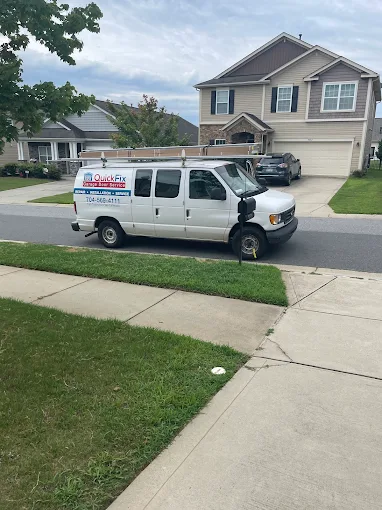
In Charlotte neighborhoods such as Plaza Midwood, garage doors often experience frequent use, making regular maintenance and professional repair especially important. Experienced technicians can diagnose problems accurately, restore proper balance to the system, and ensure that every component operates safely. For homeowners seeking dependable service, the skilled technicians at Quick Fix Garage Door Service provide trusted assistance throughout the Charlotte area. If your garage door is showing signs of wear or malfunction, you can request help from a local Charlotte garage door repair specialist or connect with the team through their online scheduling page for garage door service appointments. Homeowners who want to learn more about the technicians behind the company can also explore the story and experience of Quick Fix Garage Door Service and discover additional tips in their Charlotte garage door repair knowledge center.
FAQ
1. What is the most common garage door repair issue in Charlotte?
Broken springs are one of the most common issues because they carry the door’s weight during operation.
2. How long do garage door springs typically last?
Most springs last between 7 and 10 years depending on usage frequency.
3. Why is my garage door making loud grinding noises?
Grinding noises usually indicate worn rollers, loose hardware, or lack of lubrication.
4. Can I repair a garage door spring myself?
Because springs are under high tension, professional repair is recommended for safety.
5. What causes garage door cables to break?
Cables wear out due to friction, corrosion, and constant lifting pressure.
6. Why does my garage door stop halfway when closing?
Misaligned safety sensors or track obstructions are common causes.
7. How often should garage doors be inspected?
Annual inspections help identify issues before major repairs are needed.
8. Can dented garage door panels be repaired?
Minor dents may be repairable, but severe damage may require panel replacement.
9. What should I do if my garage door opener stops working?
Check batteries and sensors first, then contact a professional if the issue continues.
10. How can I extend the life of my garage door system?
Routine maintenance, lubrication, and prompt repairs help ensure long term performance.