
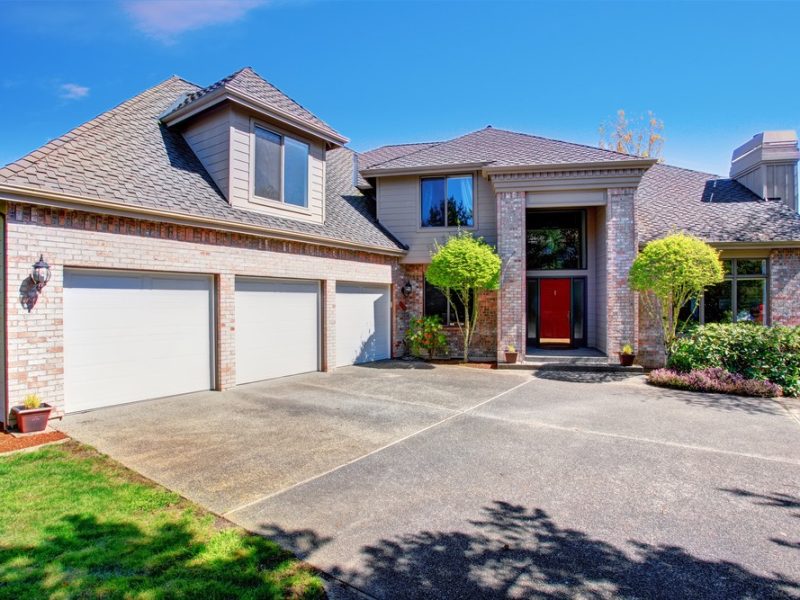
A residential garage door can complete thousands of opening and closing cycles over its working life. Most people barely think about those cycles when everything feels normal. The door opens, the car comes out, and the system closes again. Small changes in performance are easy to overlook until they become difficult to ignore.
Consider a common service-call situation. A homeowner says the door still works, but it has gradually become louder and less smooth. There is a slight shake as the sections pass through the curved tracks, and the opener sounds busier than it did several months earlier. Nothing appears completely broken. Once the system is evaluated, however, the focus is not just on the motor. Roller movement, hinges, tracks, balance, springs, cables, and opener operation all need to be considered because several small sources of resistance can affect how the complete system performs.
That is where professional service provides value. It is not simply about repairing something after it breaks. It can identify changes in movement, sound, balance, and hardware condition while the door is still operating.
For Charlotte residents noticing changes in everyday operation, professional evaluation of the complete garage door system can help determine whether the door needs routine attention or an actual repair.
What Does Better Garage Door Performance Actually Mean?
A well-performing door is not simply one that opens and closes.
Pay attention to how it gets there.
Movement should be reasonably smooth and consistent. The sections should travel through the tracks without pronounced shaking or binding. The opener should not sound as though it is struggling to move the door. Both sides should rise evenly, and new scraping, grinding, or popping sounds should not become part of normal operation.
DASMA notes that even older door systems should operate smoothly and that awkward manual operation can indicate an out-of-balance spring system. Such a condition can contribute to premature wear on other components.
That relationship is important because a garage door is a system, not a collection of independent parts. Springs help counterbalance its weight. Cables transfer force. Rollers guide the sections. Hinges allow the sections to change position. Tracks control their path, while the opener moves a door that should already be mechanically capable of smooth operation.
A homeowner may first notice nothing more than extra vibration. During an inspection, that symptom gives a technician a reason to look at roller movement, hardware condition, track position, and balance rather than waiting for one component to fail completely.
Homeowners interested in recognizing these changes earlier can explore practical garage door maintenance and troubleshooting guidance for other performance symptoms worth watching.
Professional Service Looks Beyond the Most Obvious Symptom
One of the biggest advantages of professional garage door Service is being able to separate the symptom from its underlying cause.
Suppose the opener has started sounding louder. It is easy to assume the motor is wearing out. But the opener might simply be working against additional resistance elsewhere in the system.
The same applies to a door that begins moving slowly. Possible causes can include roller wear, poor balance, track resistance, hardware problems, or the opener itself. Replacing the motor before checking the mechanical system can mean spending money without correcting what caused the performance change.
A useful inspection therefore follows the operation of the complete door. Depending on the symptoms, attention may include:
- Spring and counterbalance condition
- Cable appearance
- Roller movement and wear
- Hinges and related hardware
- Track condition
- Door alignment
- Opener rail and drive operation
- Safety sensors and reversal functions
- Unusual resistance during travel
- Changes in sound or vibration
DASMA recommends monthly homeowner safety checks and maintenance as appropriate, along with an annual visit from a trained door systems technician to help keep the system operating safely and smoothly.
When a performance change has already appeared, having the mechanical door and automatic opener assessed together can provide a clearer diagnosis than focusing on whichever component seems most obvious.
Smooth Operation Depends Heavily on Rollers, Tracks, and Hinges
Rollers, tracks, and hinges do a great deal of work during every cycle.
As a sectional door rises, the rollers move vertically before traveling through the curved tracks and continuing horizontally. At the same time, hinges allow each section to change its position relative to the next. When these components are in suitable condition and correctly aligned, the transition can feel almost effortless.
Wear changes that.
A homeowner may begin hearing a small rattle near the top of the opening. Weeks later, the door develops a noticeable vibration through the curve. Eventually, the opener sounds different because it is moving a system with more resistance than before.
This is where professional service can identify a developing problem before someone assumes the entire door or opener is failing.
The important distinction is between maintenance and repair. Appropriate lubrication according to the manufacturer’s instructions may help certain moving components, but lubricant cannot restore a damaged roller, straighten significant track damage, or correct worn hardware. The physical condition of the components still matters.
For Charlotte homeowners whose doors have become noisier, rougher, or less consistent, garage door service focused on diagnosing the source of changing performance can determine whether maintenance is enough or a worn component needs attention.
Proper Door Balance Makes Everyday Operation Easier
One of the most important parts of everyday performance is also one of the easiest to overlook: balance.
The springs are designed to counterbalance much of the door’s weight. When that relationship is correct, the opener moves a door that is already mechanically prepared to travel. When balance begins to change, the opener may have to work harder during every cycle.
A homeowner may first notice slower opening, a motor that sounds more strained, or movement that is no longer as consistent as before. What appears to be a need for garage door opener repair Charlotte NC can sometimes begin elsewhere in the system.
This is why simply installing a stronger opener is not a proper solution for a door that has become unusually heavy. DASMA explains that openers are intended to operate properly balanced doors and that an out-of-balance system can put unnecessary stress on other components.
Spring adjustment is not a homeowner maintenance task. Springs, cables, bottom brackets, and related hardware can be under significant tension. DASMA specifically recommends that work involving these components be performed by trained door systems technicians.
If the door has become heavier, slower, or more difficult to operate, professional evaluation of the door’s balance and operating components can determine whether the opener is actually responsible or simply reacting to another problem.

Small Adjustments in Performance Can Reduce Unnecessary Strain
Not every service visit involves replacing a major component. Sometimes the biggest improvement comes from identifying several smaller issues affecting the same system.
Consider a homeowner who notices three changes at once: more vibration near the top of the opening, a slight hesitation through the curved track, and a louder opener. At first, it might seem like the motor is beginning to fail.
A complete inspection can tell a different story. Roller condition, hinges, track alignment, door balance, and opener operation all need to be evaluated before deciding what needs attention. The motor’s louder sound may simply be the most noticeable symptom of increased mechanical resistance.
This is an important distinction because professional garage door repair should address the cause of poor operation, not just whichever symptom gets noticed first.
DASMA recommends monthly visual and operational checks and says that signs of improper operation should be evaluated by a trained professional. Its maintenance guidance includes looking for wear or damage involving hinges, rollers, springs, and door panels.
If your system is beginning to feel different from its normal operation, explore practical guidance for recognizing developing garage door problems before those small changes become easier to notice and harder to ignore.
Professional Service Can Help Keep the Opener From Doing Work It Wasn’t Designed to Do
The opener gets much of the attention because it is the part homeowners hear and interact with every day. But it should not be responsible for overcoming serious mechanical resistance.
A properly functioning door and a properly functioning opener work together.
When rollers bind, tracks create resistance, or the counterbalance system is not performing correctly, the motor can be forced to compensate. The door may still open, but the system is no longer operating under the same conditions.
One service-call clue is a change in the opener’s sound without an obvious change in its controls. The remote works. The lights operate. The motor starts immediately. Yet the unit sounds strained while lifting the door. That is a reason to evaluate the mechanical system before assuming the opener needs replacement.
The same principle applies when considering overhead garage door repair. Diagnosis should look at how the complete assembly behaves rather than treating each component separately.
DASMA’s guidance reinforces this system-based approach, noting that improper balance can overstress an electric operator and place other components at risk.
When the opener seems to be working harder than it used to, having both the automatic opener and mechanical door inspected together can help determine where the additional load is coming from.
Charlotte Weather Makes Regular Visual Checks Worthwhile
Charlotte’s climate is not a diagnosis for a noisy or poorly operating door. Still, weather exposure can matter when it combines with normal wear.
Garage doors face outdoor conditions every day. Heat, humidity, rain, wind, and changing temperatures affect exterior-facing materials and hardware over time. The impact varies with the door’s material, age, exposure, maintenance history, and how frequently it is used.
Moisture deserves particular attention on certain door materials and components. DASMA’s maintenance guidance for wood doors, for example, notes that the bottom section can receive significant moisture exposure and recommends periodic inspection based on the manufacturer’s instructions and environmental conditions.
In practice, local weather becomes more relevant when combined with daily cycling. A frequently used two-car door may open and close several times a day. Minor roller wear, a developing hardware issue, or changing door balance can become much more noticeable when the system is already working through regular use.
The useful approach is not to blame Charlotte humidity every time something squeaks. Instead, watch for changes in movement, hardware condition, noise, and overall operation throughout the year.
For doors beginning to show those changes, Charlotte-focused service for diagnosing performance and mechanical issues can help separate ordinary maintenance needs from components that actually require repair.
Regular Service Can Catch Wear Before It Changes Your Routine
Some of the most useful garage door service happens before a door becomes unusable. A roller does not have to leave the track, and an opener does not have to stop working completely before its condition deserves attention.
Small performance changes often appear first. The door may begin taking slightly longer to open. A vibration may develop near the top of the travel. Hardware that used to be quiet may start rattling. These symptoms do not automatically indicate a major failure, but they give a technician useful places to investigate.
A real customer experience published by Quick Fix Garage Door Service illustrates why looking beyond the obvious problem matters. One customer reported a broken spring, but also noted that other components were checked during the visit. That is a useful service principle: fixing the immediate failure matters, but examining related components can reveal whether anything else is affecting operation.
Routine care should follow the manufacturer’s recommendations, and it should never involve homeowners adjusting high-tension springs or cables. For more ways to recognize developing symptoms between service visits, browse practical garage door care and troubleshooting advice.
Better Performance Can Mean Quieter and More Consistent Movement
Noise is not always a sign that something is about to fail. Garage doors contain moving metal components, so some operating sound is normal. A change in sound is more useful.
A new squeal may direct attention toward moving hardware. Scraping can suggest that something is contacting where it should not. Popping, shaking, or rattling during one part of the travel can help narrow down where resistance is developing.
The same principle applies to consistency. If the door used to travel smoothly but now hesitates, vibrates, or changes speed, the system is operating differently for a reason.
One customer review on Quick Fix’s Charlotte repair page describes a door that had been hit by a vehicle, leaving it bent with several rollers missing. The repair addressed the physical door and roller-related damage rather than treating the symptom as an opener problem. That is a good example of why the visible behavior of the entire system matters during diagnosis.
Professional service can inspect tracks, rollers, springs, openers, and related components as part of maintenance and diagnosis. If your door has developed new sounds or rough movement, have the source of the performance change properly evaluated instead of assuming noise is simply part of an aging system.
Service Can Help Determine When Repair Is Enough
A change in everyday performance does not automatically mean the entire door needs replacing.
If the panels and major components remain in good condition, an isolated issue with a roller, track, opener, spring, or other serviceable component may call for targeted garage door repair. The recommendation should come from the condition of the system, not its age alone.
The situation changes when several substantial problems exist together. A severely damaged door with deteriorated hardware and recurring operational issues may justify discussing garage door replacement rather than continuing to address failures individually.
A homeowner may initially call because the door has become noisy or unreliable, expecting a simple adjustment. Inspection might show that most of the assembly is still serviceable, making a focused repair reasonable. Another door with major panel damage and widespread wear can lead to a different recommendation.
That is why diagnosis comes before deciding between repair and replacement. Quick Fix’s service information lists both options, along with maintenance, opener, roller, track, cable, and spring work. Homeowners weighing those choices can review practical information about common door problems and maintenance before deciding what makes sense for their system.

What Professional Garage Door Service Should Accomplish
The goal of professional service is not to make every old door feel brand new. It is to understand how the system is operating now, identify conditions that are affecting performance, and determine what actually deserves attention.
A useful evaluation may consider door movement, balance, springs, cables, rollers, hinges, tracks, opener operation, safety features, and visible hardware condition. What receives the most attention depends on the symptoms.
If the complaint is slow operation, the inspection may focus heavily on resistance and balance. If the door shakes through the curved tracks, rollers and related hardware become particularly relevant. If it reverses unexpectedly while closing, the safety system and operating path deserve attention.
The important part is that the recommendation matches what the inspection reveals.
Homeowners can safely observe movement, listen for changes, keep the opening clear, and follow manufacturer-approved maintenance instructions. Spring winding, cable work, bottom-bracket adjustments, and other high-tension repairs should remain professional tasks.
When performance has clearly changed, arranging a complete inspection of the door and opener provides a more useful starting point than replacing components by guesswork.
Keeping Everyday Garage Door Performance Reliable in Charlotte
For many Charlotte households, the garage is part of the everyday routine. The door may operate before work, during school runs, after shopping trips, and again in the evening. Frequent cycling makes smooth, predictable operation more than a minor convenience.
The most useful habit is learning what is normal for your own system.
Notice when movement becomes rougher. Pay attention if the opener starts sounding strained. Do not ignore a door that begins rising unevenly or hesitating at the same position. These changes can provide an opportunity to investigate a problem while the system is still operating.
For Charlotte residents searching for garage door repair near me, Quick Fix Garage Door Service provides repair, maintenance, opener, spring, roller, track, cable, installation, and replacement services for residential and commercial systems. You can explore professional options for restoring smooth door operation and use the garage door knowledge center for additional maintenance guidance when you want to understand a symptom before arranging service.
Professional garage door Service is most useful when it improves the way the complete system works together rather than simply addressing whichever part makes the most noise. Whether the eventual recommendation involves maintenance, overhead garage door repair, garage door opener repair Charlotte NC, or replacement should depend on what the door actually needs.
If everyday operation has noticeably changed, schedule a professional garage door inspection in Charlotte.
FAQs About Professional Garage Door Service in Charlotte
1. How often should I have my garage door professionally serviced?
There is no single schedule that fits every door because usage, age, environment, and manufacturer recommendations differ. DASMA recommends monthly homeowner safety checks and periodic professional attention, while Quick Fix Garage Door Service recommends routine maintenance based on usage. If your system is getting louder, rougher, or less consistent, professional evaluation of changing door performance may be appropriate even if the door still operates.
2. What does professional garage door service include?
The exact inspection should reflect the door and its symptoms. Typical attention may include rollers, tracks, springs, cables, hinges, opener operation, alignment, and safety features. Quick Fix’s maintenance service specifically includes inspection of tracks, rollers, springs, and openers, along with appropriate lubrication and adjustments. Homeowners can also explore practical garage door maintenance guidance to understand which changes deserve attention.
3. Can regular service make my garage door quieter?
It can when the noise comes from a maintenance issue or a serviceable, worn component. A technician can determine whether rattling, squeaking, scraping, or vibration is related to rollers, hinges, tracks, balance, or another part of the system. Lubrication alone will not correct damaged hardware, so identifying the source matters. Professional diagnosis of noisy or rough operation can determine what actually needs attention.
4. Does a slow garage door always mean the opener is failing?
No. Slow operation can also result from mechanical resistance, worn rollers, track problems, or poor balance. DASMA notes that an improperly balanced door can overstress an electric operator, which is why simply using a stronger motor is not the right solution. If you are considering garage door opener repair Charlotte NC, having the complete door and opener evaluated together can help identify which part is responsible.
5. Can I perform garage door maintenance myself?
Homeowners can perform basic visual checks and manufacturer-approved maintenance. Look for obvious wear, unusual movement, damaged rollers, or other visible changes without adjusting high-tension hardware. DASMA specifically warns that springs are under high tension and should be adjusted only by qualified individuals. For problems beyond routine observation, schedule professional attention for the affected components.
6. Can garage door service help prevent unexpected breakdowns?
Routine inspection can identify some wear and operating changes before they develop into larger problems, although no maintenance program can guarantee that a component will never fail. Quick Fix’s maintenance service is designed around checking components such as springs, rollers, tracks, cables, and openers for developing concerns. You can browse additional advice for recognizing garage door problems early between professional visits.
7. Should both the door and opener be inspected during service?
When the complaint involves speed, noise, hesitation, or strained operation, checking both can be useful. The opener and mechanical door work together, so resistance elsewhere can make a functioning motor appear weak. A complete garage door repair diagnosis should determine whether the problem originates with the opener, the door, or a combination of components. Explore Charlotte repair options that evaluate the operating system as a whole.
8. When does a performance problem require garage door replacement?
Noise, vibration, or slower operation alone does not automatically mean garage door replacement is necessary. A targeted repair may make more sense when the panels and overall system remain serviceable. Replacement becomes more relevant when significant door damage or several substantial problems exist together. Quick Fix lists both repair and replacement among its Charlotte-area services. Review additional garage door information before deciding on your next step.
9. What signs suggest I should schedule garage door service?
Pay attention to new grinding or scraping sounds, uneven movement, repeated hesitation, excessive vibration, an opener that suddenly sounds strained, or visible hardware damage. A door that no longer moves freely deserves attention rather than repeated operation or adjustments made by guesswork. DASMA recommends professional assistance when signs of damage or improper operation are present. If these symptoms continue, request an inspection before the problem progresses.
10. Where can I get professional garage door service in Charlotte?
Quick Fix Garage Door Service provides repair, maintenance, opener, spring, roller, track, installation, and replacement services for residential and commercial doors in Charlotte and surrounding communities. Instead of choosing overhead garage door repair based only on the symptom, schedule a professional garage door inspection in Charlotte so the condition of the complete system can be evaluated.